Geography Grade 10 | Composition and Structure of the Atmosphere
Unit 1: Composition and Structure of the Atmosphere
Understanding the Atmosphere as a System
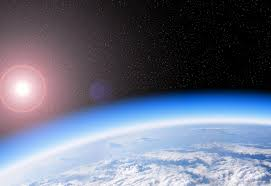
The atmosphere is an essential layer of gases surrounding the Earth, playing a crucial role in supporting life and regulating the planet’s systems. It is not a static entity but a dynamic, interconnected system where different components—such as gases, heat, and moisture—interact in complex ways. These interactions help influence weather patterns, climate, and the flow of energy, ensuring that Earth remains habitable. This interconnectedness of the atmosphere is akin to a machine or ecosystem, where each element works in harmony with others to maintain a stable environment.
Functions of the Atmosphere
The atmosphere serves several critical functions that make life on Earth possible. These functions can be divided into three primary categories: providing air for breathing, regulating temperature, and shielding the planet from harmful external factors.
1. Provides Air for Breathing
The atmosphere is essential for respiration and photosynthesis.
- Oxygen (21%): The atmosphere contains oxygen, which is vital for the respiration of most living organisms, including humans and animals. Oxygen allows these organisms to convert food into energy through cellular respiration.
- Carbon Dioxide (CO₂): This gas is a key component of plant photosynthesis. Plants absorb carbon dioxide to produce oxygen and glucose, which are crucial for life on Earth. Without this continuous exchange of gases, life as we know it would not exist.
2. Regulates Temperature
The atmosphere plays a central role in maintaining the Earth’s temperature within a range that supports life.
- Greenhouse Effect: The atmosphere traps heat from the sun through the greenhouse effect. Gases like carbon dioxide, methane, and water vapor absorb and retain heat, preventing it from escaping back into space. This natural process helps keep the Earth warm enough for life.
- Temperature Regulation: The atmosphere helps moderate temperature fluctuations between day and night, as well as across seasons. Without this temperature regulation, the Earth’s surface would experience extreme temperatures, making it difficult for life to thrive. Additionally, some of the solar radiation is reflected back into space, preventing the planet from overheating.
3. Shields the Planet
The atmosphere acts as a protective shield for the Earth, blocking harmful radiation and protecting the surface from celestial threats.
- Ultraviolet (UV) Radiation: The ozone layer, located in the stratosphere, absorbs most of the sun’s harmful UV radiation. Without this layer, life on Earth would be exposed to dangerous radiation that can cause skin cancer and other health issues.
- Meteoroids: The atmosphere also protects the Earth by causing most meteoroids to burn up upon entry. These meteoroids, which could otherwise cause significant damage upon impact, disintegrate due to the heat and friction of entering the atmosphere.
Inputs, Stores, and Processes
To fully understand how the atmosphere functions, it is useful to break it down into three key aspects: inputs, stores, and processes. These elements interact in various ways to shape the Earth’s climate, weather, and overall environmental stability.
1. Inputs
Inputs are materials and energy that enter the atmosphere. These come from both external sources (such as the sun and space) and processes occurring on Earth (such as volcanic eruptions and plant activity). These inputs drive atmospheric processes like weather, the water cycle, and climate regulation.
2. Stores
The atmosphere functions as a vast reservoir, storing different forms of energy and matter. These stores include heat, moisture, gases, and particles. The atmosphere absorbs and redistributes heat energy, stores moisture for the water cycle, and contains gases that regulate temperature and support life. These stores can change over time due to natural and human-induced processes.
3. Processes
Atmospheric processes are the interactions that occur within the atmosphere and between the atmosphere and other Earth systems. These processes include the movement of air masses, the formation of clouds, and the circulation of heat. These dynamic interactions are essential for the regulation of weather patterns, the water cycle, and the Earth’s energy balance.
1.2 Inputs: What Goes into the Atmosphere?
The atmosphere receives a variety of inputs, including energy and matter from the sun, space, and Earth. These inputs play a crucial role in driving atmospheric processes, shaping weather and climate, and maintaining the Earth’s environmental systems. Below are the primary types of inputs to the atmosphere and their impacts:
1. Insolation (Incoming Solar Radiation)
Role of the Sun
The sun is the primary source of energy for the Earth’s atmosphere. Solar radiation, or insolation, powers key atmospheric processes such as weather systems, the water cycle, and climate regulation.
Effects of Insolation
- Weather Patterns: The uneven heating of the Earth’s surface by the sun causes temperature differences, which drive wind and storm systems.
- Water Cycle: Solar energy powers the water cycle by fueling evaporation, condensation, and precipitation, essential for maintaining Earth’s freshwater systems.
- Climate Regulation: Insolation influences long-term temperature patterns, defining regional climates and affecting ecosystems.
Reflection and Absorption of Energy
Not all solar radiation reaches the Earth’s surface. Some of it is reflected back into space by clouds, ice, and atmospheric particles, while some is absorbed by atmospheric gases like water vapor and carbon dioxide. This balance between reflection and absorption regulates the amount of energy available to heat the Earth.
2. Particles from Space
Cosmic Dust and Meteoroid Fragments
Particles from space, including cosmic dust from comets and asteroids, regularly enter the Earth’s atmosphere. Larger fragments of meteoroids burn up upon entry, creating meteors or “shooting stars.”
Impact on the Atmosphere
- Aerosols: Cosmic particles contribute to the pool of aerosols—tiny solid or liquid particles suspended in the atmosphere.
- Cloud Formation: Aerosols serve as nuclei around which water vapor condenses, aiding in the formation of clouds.
- Sunlight Scattering: These particles scatter solar radiation, affecting the amount of sunlight that reaches the Earth’s surface and influencing local weather and climate patterns.
3. Heat, Gases, and Solids from the Earth
Volcanic Eruptions
Volcanoes release large amounts of gases like carbon dioxide (CO₂) and sulfur dioxide (SO₂), as well as ash and dust particles. These materials influence atmospheric chemistry and can temporarily cool the Earth by reflecting sunlight.
Forest Fires
Natural and human-induced forest fires release heat, smoke, and greenhouse gases such as carbon dioxide and methane into the atmosphere. These emissions contribute to the greenhouse effect and can alter local air quality and weather patterns.
Organic Decomposition
The breakdown of dead organic matter by microorganisms produces methane (CH₄), a potent greenhouse gas. Methane is particularly effective at trapping heat, significantly influencing the Earth’s energy balance.
Significance of Terrestrial Inputs
Inputs from the Earth’s surface contribute to the natural greenhouse effect, which keeps the planet warm enough to sustain life. However, human activities, such as burning fossil fuels and deforestation, have increased the concentration of greenhouse gases, disrupting this balance. This leads to issues like global warming and climate change, with widespread impacts on ecosystems and weather systems.
1.3 Stores: What is Stored in the Atmosphere?
The atmosphere functions as a dynamic reservoir, storing energy, gases, moisture, and particles essential for sustaining life and regulating the Earth’s systems. These components are constantly interacting and evolving due to both natural cycles and human activities.
1. Heat Energy
The atmosphere absorbs and stores heat, which is then distributed across the globe, playing a key role in maintaining Earth’s temperature balance.
- Climate Regulation: The stored heat prevents drastic temperature fluctuations between day and night or across seasons, ensuring stable conditions for life.
- Global Circulation: Heat energy drives wind patterns and ocean currents, redistributing energy from warmer equatorial regions to cooler polar areas. This process balances global temperatures and sustains climate systems.
- Role of Greenhouse Gases: Gases like carbon dioxide (CO₂), methane (CH₄), and water vapor trap and retain heat through the greenhouse effect. While this effect is essential for maintaining life-supporting temperatures, excessive greenhouse gas concentrations—mainly due to human activities—have led to global warming and disrupted climate stability.
2. Moisture
Water exists in the atmosphere in three states, playing a crucial role in weather systems and the water cycle.
- Liquid Water: Found as tiny droplets in clouds and rain, liquid water drives precipitation, an essential component of the hydrological cycle.
- Water Vapor: This gaseous form of water is a potent greenhouse gas and a vital driver of evaporation and condensation in the water cycle.
- Ice Crystals: In colder regions or higher altitudes, water freezes into ice crystals, forming snow, frost, or hail and influencing cloud types like cirrus clouds.
Significance: Atmospheric moisture connects the Earth’s oceans, land, and air through the water cycle, sustaining ecosystems, replenishing freshwater supplies, and regulating regional climates.
3. Gases
The atmosphere is composed of a mixture of gases, which can be categorized into three main types:
- Constant Gases:
- Nitrogen (78%): Essential for plant growth, as it forms a key component of proteins and DNA.
- Oxygen (21%): Vital for the respiration of living organisms and energy production in cells.
- Variable Gases:
- Carbon Dioxide (CO₂): A greenhouse gas that helps regulate the Earth’s temperature. In higher concentrations, however, it contributes to global warming.
- Ozone (O₃): Found in two forms:
- Stratospheric Ozone: Forms the ozone layer, which absorbs harmful ultraviolet (UV) radiation.
- Ground-Level Ozone: Acts as a pollutant, contributing to smog and respiratory issues.
- Inert Gases: These gases, including argon, helium, and neon, are chemically inactive. While they do not participate in biological processes, they contribute to the overall stability of the atmosphere.
4. Non-Gases (Aerosols)
Aerosols are tiny particles or droplets suspended in the atmosphere. These include:
- Dust and Salt Particles: Originating from deserts, soil erosion, and sea spray, these particles act as condensation nuclei, aiding in cloud formation.
- Smoke Particles: Produced from natural sources like wildfires and human activities such as burning fossil fuels, smoke affects air quality and contributes to weather phenomena like haze or smog.
Effects: Aerosols scatter sunlight, which can influence local climates by either cooling or warming the surface. They also affect precipitation patterns by altering cloud formation processes.
5. Pollutants
Pollutants are substances introduced into the atmosphere mainly through human activities like industrial emissions, vehicle exhaust, and agricultural practices.
- Sources and Examples:
- Carbon Monoxide (CO): A toxic gas produced by incomplete combustion in vehicles and industrial processes.
- Sulfur Dioxide (SO₂): Released from burning fossil fuels, SO₂ combines with water vapor to form acid rain, which damages ecosystems.
- Nitrogen Oxides (NOₓ): These gases contribute to the formation of smog and acid rain, harming respiratory health and vegetation.
Impact: Pollutants degrade air quality, disrupt natural atmospheric processes, and exacerbate environmental challenges like climate change, acid rain, and public health problems.
1.4 Interconnections within the Atmosphere
The atmosphere operates as a cohesive system, where inputs, stores, and processes are intricately linked. These interconnections sustain life on Earth and regulate the planet’s climate and weather patterns. Below are detailed examples of how these elements interact:
1. Solar Energy and Atmospheric Processes
Solar energy is the primary driver of atmospheric processes and the Earth’s energy system.
- Role in the Water Cycle:
Solar energy heats the Earth’s surface, causing water to evaporate and ascend into the atmosphere as water vapor. This vapor condenses into clouds and eventually precipitates as rain, snow, or hail, completing the water cycle. - Regulating Global Temperatures:
Solar energy contributes to the heat stored in the atmosphere, which prevents extreme temperature variations between day and night. This balance creates conditions suitable for sustaining life. - Driving Weather Systems:
Solar energy is responsible for weather phenomena like winds and storms. Uneven heating of the Earth’s surface by the sun generates temperature differences, leading to the movement of air masses and the formation of storms.
Without solar energy, the Earth’s climate system would collapse, making the planet uninhabitable.
2. Gases and Heat Regulation
Atmospheric gases, particularly greenhouse gases, are essential for regulating heat and maintaining the Earth’s temperature balance.
- Greenhouse Effect:
Gases like carbon dioxide (CO₂), methane (CH₄), and water vapor trap heat from the sun. This natural insulation layer keeps the Earth’s surface warm enough to support life. - Climate Balance and Disruptions:
While the greenhouse effect is crucial, excessive emissions of greenhouse gases from activities like burning fossil fuels disrupt this balance. The result is global warming, characterized by:- Rising global temperatures.
- Melting polar ice caps and rising sea levels.
- Shifts in weather patterns, such as more frequent and severe storms, droughts, and heatwaves.
The balance between greenhouse gas concentrations and heat regulation is vital for maintaining Earth’s climate stability.
3. Pollutants and Weather Systems
Pollutants in the atmosphere, including aerosols and smoke, play a significant role in altering natural weather and atmospheric processes.
- Impact on Cloud Formation:
Aerosols, such as dust and smoke particles, serve as condensation nuclei around which water vapor condenses to form clouds. Changes in the concentration of these particles can influence cloud density and precipitation patterns. - Regional Cooling and Air Quality:
Pollutants can block or scatter sunlight, reducing the amount of solar energy reaching the Earth’s surface. This localized cooling can disrupt weather systems. At the same time, pollutants like smog and acid rain degrade air quality and harm ecosystems. - Long-term Effects:
Over time, the accumulation of pollutants affects atmospheric dynamics and contributes to climate change. For example, industrial emissions of sulfur dioxide (SO₂) can lead to acid rain, damaging forests and aquatic systems.