Management Communication N4 | Maslow’s Hierarchy of Needs
Management Communication N4
Get free Management Communication N4 study resources: Including Management Communication N4 Notes, Management Communication N4 study guides, Management Communication N4 past exam papers, to ace your final exams.”
Maslow’s Hierarchy of Needs
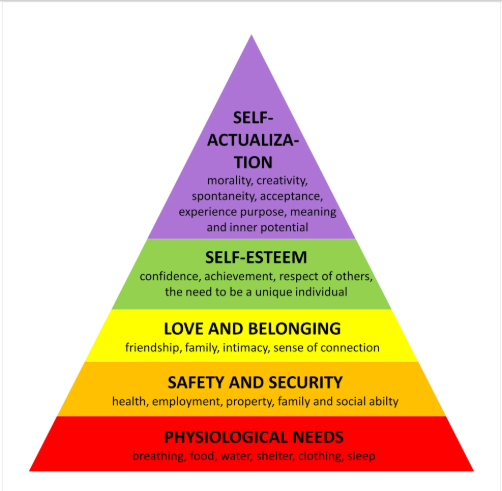
Understanding what drives people at work is vital for managers, team leaders, and anyone working closely with others. By recognising the different needs employees, colleagues, and clients have, it becomes easier to build better interpersonal relationships, motivate staff effectively, and reduce workplace conflict. Maslow’s Hierarchy of Needs offers a useful framework to explain why people act the way they do and what motivates them at different times. This model organises human needs into five levels, often shown as a pyramid, starting from the most basic survival needs and progressing to more advanced, growth-focused needs.
The Importance of Maslow’s Theory in Business
Abraham Maslow’s theory highlights that human behaviour is often guided by efforts to meet specific needs, which are organised in a hierarchy. This means that higher-level needs, like gaining respect or pursuing creativity, only become priorities once more basic needs—like food and safety—are secured. For managers and business leaders, recognising which level employees are focused on can help explain why they might act a certain way, what motivates them most, and how to create a work environment that supports personal and professional development. For example, someone struggling to cover basic living expenses may care more about wages than social events or awards.
Physiological Needs
At the foundation of the hierarchy are physiological needs, which include essentials like food, clean water, shelter, clothing, and adequate rest. Without these, survival itself is threatened, so people naturally focus their efforts on meeting them first. In a business context, if workers don’t receive fair pay, they may prioritise earning enough to survive over staying loyal to the company or building relationships at work. Employers can help meet these needs by offering competitive wages, benefits like healthcare or housing allowances, and ensuring employees have reasonable working hours and leave for rest.
Safety and Security Needs
Once basic physical needs are met, attention shifts to feeling secure and protected from harm. At work, this includes job security, safe working conditions, and clarity about expectations. Workers who feel unsafe or unsure about their future employment may experience stress that affects performance. Companies can address this by maintaining safe work environments, providing clear guidelines about job roles, and communicating openly about job expectations and the consequences of poor performance. Having reliable income and workplace safety measures helps employees feel stable and protected.
Social Needs
After survival and safety, people seek connection and acceptance from others. This stage includes the desire for friendship, a sense of belonging, and being part of a team. In the workplace, employers can support these needs by encouraging teamwork, hosting social gatherings, and creating opportunities for informal interaction, such as shared lunches or internal newsletters that celebrate team news. Department meetings or team-building activities also help people feel valued as part of the group, which can boost morale and reduce feelings of isolation.
Esteem Needs
Once people feel connected and accepted, they often focus on building self-respect and gaining recognition from others. Esteem needs include the desire to be acknowledged, feel accomplished, and be respected for one’s work. Employers can fulfil these needs by recognising achievements through praise, thank-you notes, or public announcements. Promotions, title changes, performance bonuses, or writing about someone’s contributions in a company magazine can also reinforce employees’ sense of value and motivate continued effort and loyalty.
Self-Actualisation Needs
At the highest level, individuals strive to realise their potential and become the best version of themselves. This might involve pursuing creativity, tackling challenging projects, or furthering their knowledge and skills. Businesses can help employees meet these needs by offering opportunities for professional growth, such as additional training, workshops, or special assignments. Delegating meaningful responsibility can also encourage people to take initiative, think creatively, and feel a deeper sense of fulfilment in their roles.
Practical Use of the Hierarchy in the Workplace
Maslow’s Hierarchy of Needs shows why people at different levels might act differently. For example, someone whose basic needs aren’t met may focus mainly on salary, while another person might be motivated by professional recognition or creative opportunities. Managers who understand this can better support their teams by offering what matters most to each individual. This approach helps build stronger working relationships, reduces conflict, and keeps employees motivated at all stages of their careers.
Using Maslow’s Hierarchy of Needs to Manage and Support Staff
Maslow’s theory helps managers recognise that employees are motivated by different needs depending on their personal circumstances and career stage. By understanding where staff members are on the hierarchy, managers can create policies, provide resources, and communicate in ways that match those needs—leading to better job satisfaction, performance, and loyalty.
Physiological Needs:
At the most basic level, employees need to feel confident that their jobs will cover essential living costs such as food, shelter, and healthcare. Managers can address these needs by ensuring fair and competitive wages, offering benefits like medical aid, housing allowances, or meal subsidies, and allowing adequate breaks and reasonable working hours. For instance, a factory supervisor might schedule regular rest periods to help workers stay healthy and productive. Addressing these needs helps reduce stress and ensures staff can focus on their work rather than worrying about survival.
Safety and Security Needs:
Once basic needs are met, employees look for physical safety and job security. Managers can meet these needs by maintaining a safe workplace (e.g., health and safety protocols, emergency plans), offering clear employment contracts, and explaining what is expected in each role. Providing training on workplace safety, ensuring equipment is well-maintained, and communicating openly about job performance expectations helps staff feel secure. This reduces anxiety about accidents or sudden job loss and helps them engage more confidently in their work.
Social Needs:
After employees feel safe, they seek acceptance and connection with colleagues. Managers can foster this by encouraging teamwork, organising social events, or holding regular meetings where everyone can share ideas. For example, creating project teams, supporting cross-department collaboration, or setting up informal staff gatherings (like lunches or sports activities) can strengthen bonds among employees. This sense of belonging improves morale and helps staff feel valued as part of a larger team.
Esteem Needs:
As employees become more socially integrated, they want recognition and respect for their work. Managers can fulfil these needs by acknowledging achievements publicly or privately, offering constructive feedback, and providing opportunities for promotion or extra responsibility. For instance, managers might write a congratulatory note, highlight successes in a staff newsletter, or reward good performance with bonuses or title changes. These actions help staff feel competent and respected, boosting motivation and commitment.
Self-Actualisation Needs:
At the highest level, employees want to develop their talents, explore creativity, and reach their full potential. Managers can support this by offering training and development programmes, assigning challenging projects, or allowing staff to take part in decision-making. For example, delegating complex tasks, sponsoring advanced courses, or encouraging employees to propose new ideas can help staff feel that they’re growing and contributing meaningfully. This keeps work engaging and inspires long-term dedication.
PEOPLE ALSO READ THE FOLLOWING
Management Communication N4 | Characteristics of a Good Self-Image
Management Communication N4 | Elements and Dimensions of Self Image
Management Communication N4 – Module 1 | Elements of Communication
Management Communication N4 – Module 1 | Importance of Effective Communication
Management Communication N4 – Module 1 | Categories of Communication
Management Communication N4 | Characteristics of a Poor Self-Image